Buy europeanagenda.eu ?
We are moving the project
europeanagenda.eu .
Are you interested in purchasing the domain
europeanagenda.eu ?
domain@kv-gmbh.de · 0541-91531010
Buy europeanagenda.eu ?
How does the process of cell culture technology proceed?
Cell culture technology involves the growth and maintenance of cells outside of their natural environment, typically in a laboratory setting. The process begins with the selection of the appropriate cell type and the preparation of a suitable growth medium. The cells are then isolated from their natural environment and placed in a sterile culture vessel, where they are provided with the necessary nutrients and conditions for growth. The culture is regularly monitored and maintained to ensure the cells remain healthy and continue to proliferate. This technology is widely used in research, drug development, and biotechnology for studying cell behavior, producing biological products, and testing potential therapies. **
What is the difference between osmosis with cell wall and osmosis without cell wall? Please explain simply.
Osmosis with a cell wall occurs in plant cells, where the cell wall provides structural support and prevents the cell from bursting when water enters through osmosis. In contrast, osmosis without a cell wall occurs in animal cells, which do not have a cell wall and rely on the cell membrane to maintain their shape and prevent bursting. In both cases, osmosis is the movement of water across a semi-permeable membrane from an area of lower solute concentration to an area of higher solute concentration. **

Similar search terms for Cell wall
Top-Angebote
Products related to Cell wall:
-
HARPERCOLLINS Creative Confidence by Tom & David Kelley – Unleashing Your Creative Potential & Innovation MindsetA powerful and inspiring book from the founders of IDEO, the award-winning design firm, on unleashing the creativity that lies within each and every one of us. Too often, companies and individuals assume that creativity and innovation are the domain of the ‘creative types’. But two of the foremost experts in innovation, design and creativity on the planet show us that each and every one of us is creative. In an entertaining and inspiring narrative that draws on countless stories from their work at IDEO, and with many of the world's top companies and design firms, David and Tom Kelley identify the principles and strategies that will allow us to tap into our creative potential in our work lives, and in our personal lives, allow us to think outside the box in terms of how we approach and solve problems. ‘Creative Confidence’ is a book that will help each of us be more productive and successful in our lives and in our careers.4,95 £*Shipping: 1,99 £Secure redirect to the provider
-
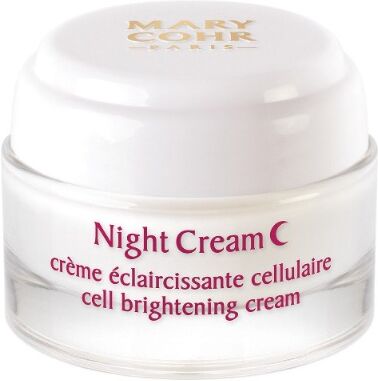
Mary Cohr Cell Brightening Cream 50mlThe Mary Cohr Cell Brightening Cream gives a soft, matt finish, combines two cellular actions on pigmentation: it visibly unifies the complexion and it lessens the appearance of pigmentation spots. Key benefits include: Brightens and evens the complexion Dark spots are reduced Vitamin C visibly brightens the complexion and refines the skin’s texture Melanoxyl reduces-UV-induced melanin production Suitable for Pigmented Skin Types. Ingredients water (aqua), glycerin, butylene glycol, cetearyl isononanoate, arachidyl alcohol, caprylic/capric/succinic triglyceride, dimeticone, hydrogenated polyisobutene, pentylene glycol, behenyl alcohol, sodium ascorbyl phosphate, cetyl alcohol, cyclopentasiloxane, ethylhexylglycerin, arachidyl glucoside, cyclohexasiloxane, hydroxyethyl acrylate/sodium acyloyldimethyl taurate copolymer, fragrance (parfum), acrylates/c 10-30 alkyl acrylate crosspolymer, xanthan gum, triethanolamine, bht, disodium edta, glyceryl acrylate/acrlyic acid copolymer, propylene glycol, brassica napus extract, polysorbate 60, sorbitan isostearae, linalool, geraniol, citronellol, ascorbyl palmitate, alpha-isomethyl ionone, citric acid, glyceryl oleate, glyceryl stearate.48,40 £*Shipping: 0,00 £Secure redirect to the provider
-
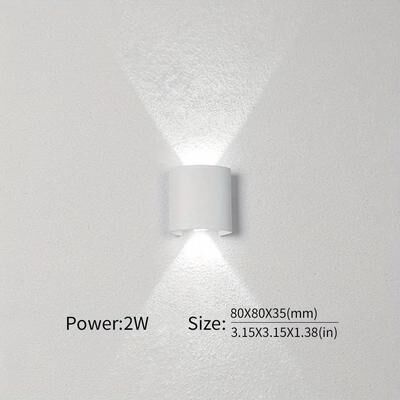
Multisell Products Hub Economy LED Wall Lamp, Plastic Sconce Lights, Nordic Spot For Bedroom Corridor white Light 2w Ac85 265vTransform Your Space with LED Wall Lighting Illuminate your bedroom or corridor with the sleek and modern Indoor Home Decor LED Wall Lamp. Designed to blend effortlessly into any space, this wall lamp offers a chic solution to your lighting needs....39,97 $*Shipping: 0,00 $Secure redirect to the provider
-
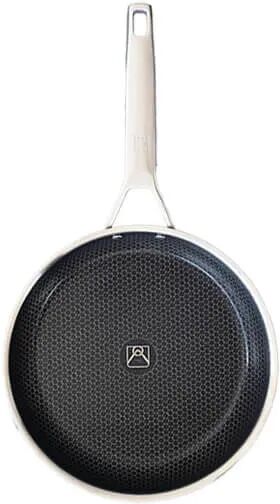
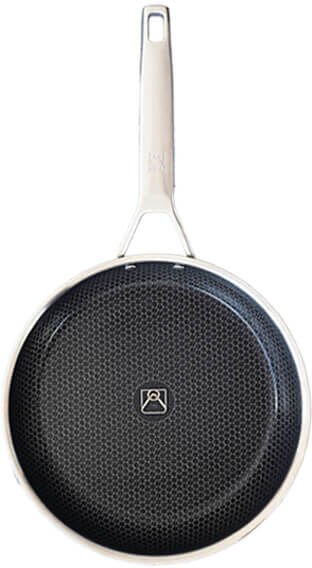
BRA Cookware BRA Hybrid Cell 20cm Frying PanThis BRA Hybrid Cell 20cm Frying Pan is designed for those who appreciate versatility in their cooking. Ideal for everyday meals, it offers a PFAS-free ceramic non-stick surface that ensures easy food release and quick cleaning. Suitable for various cooking methods, this frying pan is perfect for frying, sautéing, and more, making it a great addition to any kitchen. Crafted with a three-layer construction, this frying pan provides optimal heat distribution for even cooking results. It is both dishwasher and oven safe, adding to its convenience and practicality. The induction compatibility means it works seamlessly on all hob types. Made from 18/10 stainless steel with a durable aluminium core and PFAS-free ceramic non-stick coating. Dimensions: 4(H) x 21.5(W) x 30.5(L) cm. Base diameter: 20cm. Weight: 0.8kg. Dishwasher safe. Hand wash recommended for longevity. Suitable for ovens up to 220°C. This BRA Hybrid Cell 20cm Frying Pan is supplied with a 3 year guarantee.35,99 £*Shipping: 3,50 £Secure redirect to the provider

-
What is the significance of the cell wall?
The cell wall is a rigid structure that surrounds the cell membrane of plant cells, fungi, and some bacteria. It provides structural support and protection to the cell, helping maintain its shape and prevent it from bursting under osmotic pressure. The cell wall also allows for the exchange of materials between the cell and its environment. Additionally, the cell wall plays a crucial role in plant growth and development, as well as defense against pathogens. **
-
Why don't animal cells have a cell wall?
Animal cells do not have a cell wall because they do not need the same level of structural support as plant cells. The primary function of the cell wall in plant cells is to provide rigidity and support for the plant's structure, as well as protection from external forces. Animal cells have a flexible cell membrane that allows for movement and shape changes, which is not possible with a rigid cell wall. Additionally, animal cells rely on other structures such as the cytoskeleton to maintain their shape and provide support. **
-
What are bacteria with a double cell wall called?
Bacteria with a double cell wall are called Gram-positive bacteria. These bacteria have a thick layer of peptidoglycan in their cell wall, which retains the crystal violet stain during the Gram staining process. This thick layer of peptidoglycan gives them their characteristic purple color when viewed under a microscope. Examples of Gram-positive bacteria include Staphylococcus and Streptococcus. **
-
Why do animal cells not need a cell wall?
Animal cells do not need a cell wall because they have a flexible cell membrane that provides support and structure to the cell. The cell membrane allows for movement and flexibility, which is important for the various functions of animal cells such as cell division and movement. Additionally, animal cells rely on other structures such as the cytoskeleton to maintain their shape and provide support, making a cell wall unnecessary for their survival. **

Which organelle in an animal cell is equivalent to the cell wall in plant cells?
The organelle in an animal cell that is equivalent to the cell wall in plant cells is the extracellular matrix (ECM). The ECM is a network of proteins and carbohydrates that provides structural support and helps regulate cell behavior. It surrounds animal cells and provides mechanical support, as well as facilitating cell-cell communication and adhesion. While the ECM and the cell wall serve similar functions in providing support and structure, they are composed of different materials and have different structures. **
How can animal cells be stable without a cell wall?
Animal cells can be stable without a cell wall because they have a flexible and dynamic cytoskeleton made up of proteins like actin and microtubules, which provide structural support and help maintain cell shape. Additionally, animal cells have an extracellular matrix that provides structural support and helps anchor cells in tissues. The plasma membrane of animal cells also contains specialized proteins and lipids that help maintain cell stability and regulate the movement of molecules in and out of the cell. Overall, the combination of the cytoskeleton, extracellular matrix, and plasma membrane allows animal cells to maintain stability and structural integrity without a cell wall. **
Top-Angebote
Products related to Cell wall:
-
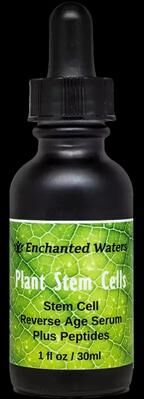
DynamicDeals Stem Cell Serum Anti Aging Real Stem Cell Cultures Matrixyl 3000 Hyaluronic Acid Stem Cell Serum Anti Aging Real Stem Cell Cultures Matrixyl 3000 Hyaluronic AcidFeatures:Enriched With REAL Plant Stem Cell CulturesFights Environmental Aggressors, Boosts CollagenRepairs Cell Damage & Enhances Skins Own DefensePeptide Rich with Matrixyl 3000Description:Weve taken these fantastic antiaging skincare geniuses and...40,97 $*Shipping: 0,00 $Secure redirect to the provider
-
All Categories Goods Waterproof LED Solar Motion Sensor Light For Garden Wall With PIR Technology Waterproof LED Solar Motion Sensor Light For Garden Wall With PIR TechnologyIlluminate your outdoors with the 1 pc of Waterproof Solar Power Lights featuring 468 highintensity LEDs. Ideal for gardens, patios, or any outdoor space, this energyefficient light uses solar power, ensuring a green and sustainable lighting...56,97 $*Shipping: 0,00 $Secure redirect to the provider
-
HARPERCOLLINS Creative Confidence by Tom & David Kelley – Unleashing Your Creative Potential & Innovation MindsetA powerful and inspiring book from the founders of IDEO, the award-winning design firm, on unleashing the creativity that lies within each and every one of us. Too often, companies and individuals assume that creativity and innovation are the domain of the ‘creative types’. But two of the foremost experts in innovation, design and creativity on the planet show us that each and every one of us is creative. In an entertaining and inspiring narrative that draws on countless stories from their work at IDEO, and with many of the world's top companies and design firms, David and Tom Kelley identify the principles and strategies that will allow us to tap into our creative potential in our work lives, and in our personal lives, allow us to think outside the box in terms of how we approach and solve problems. ‘Creative Confidence’ is a book that will help each of us be more productive and successful in our lives and in our careers.4,95 £*Shipping: 1,99 £Secure redirect to the provider
-
Mary Cohr Cell Brightening Cream 50mlThe Mary Cohr Cell Brightening Cream gives a soft, matt finish, combines two cellular actions on pigmentation: it visibly unifies the complexion and it lessens the appearance of pigmentation spots. Key benefits include: Brightens and evens the complexion Dark spots are reduced Vitamin C visibly brightens the complexion and refines the skin’s texture Melanoxyl reduces-UV-induced melanin production Suitable for Pigmented Skin Types. Ingredients water (aqua), glycerin, butylene glycol, cetearyl isononanoate, arachidyl alcohol, caprylic/capric/succinic triglyceride, dimeticone, hydrogenated polyisobutene, pentylene glycol, behenyl alcohol, sodium ascorbyl phosphate, cetyl alcohol, cyclopentasiloxane, ethylhexylglycerin, arachidyl glucoside, cyclohexasiloxane, hydroxyethyl acrylate/sodium acyloyldimethyl taurate copolymer, fragrance (parfum), acrylates/c 10-30 alkyl acrylate crosspolymer, xanthan gum, triethanolamine, bht, disodium edta, glyceryl acrylate/acrlyic acid copolymer, propylene glycol, brassica napus extract, polysorbate 60, sorbitan isostearae, linalool, geraniol, citronellol, ascorbyl palmitate, alpha-isomethyl ionone, citric acid, glyceryl oleate, glyceryl stearate.48,40 £*Shipping: 0,00 £Secure redirect to the provider
-
How does the process of cell culture technology proceed?
Cell culture technology involves the growth and maintenance of cells outside of their natural environment, typically in a laboratory setting. The process begins with the selection of the appropriate cell type and the preparation of a suitable growth medium. The cells are then isolated from their natural environment and placed in a sterile culture vessel, where they are provided with the necessary nutrients and conditions for growth. The culture is regularly monitored and maintained to ensure the cells remain healthy and continue to proliferate. This technology is widely used in research, drug development, and biotechnology for studying cell behavior, producing biological products, and testing potential therapies. **
-
What is the difference between osmosis with cell wall and osmosis without cell wall? Please explain simply.
Osmosis with a cell wall occurs in plant cells, where the cell wall provides structural support and prevents the cell from bursting when water enters through osmosis. In contrast, osmosis without a cell wall occurs in animal cells, which do not have a cell wall and rely on the cell membrane to maintain their shape and prevent bursting. In both cases, osmosis is the movement of water across a semi-permeable membrane from an area of lower solute concentration to an area of higher solute concentration. **
-
What is the significance of the cell wall?
The cell wall is a rigid structure that surrounds the cell membrane of plant cells, fungi, and some bacteria. It provides structural support and protection to the cell, helping maintain its shape and prevent it from bursting under osmotic pressure. The cell wall also allows for the exchange of materials between the cell and its environment. Additionally, the cell wall plays a crucial role in plant growth and development, as well as defense against pathogens. **
-
Why don't animal cells have a cell wall?
Animal cells do not have a cell wall because they do not need the same level of structural support as plant cells. The primary function of the cell wall in plant cells is to provide rigidity and support for the plant's structure, as well as protection from external forces. Animal cells have a flexible cell membrane that allows for movement and shape changes, which is not possible with a rigid cell wall. Additionally, animal cells rely on other structures such as the cytoskeleton to maintain their shape and provide support. **
Similar search terms for Cell wall
-
Multisell Products Hub Economy LED Wall Lamp, Plastic Sconce Lights, Nordic Spot For Bedroom Corridor white Light 2w Ac85 265vTransform Your Space with LED Wall Lighting Illuminate your bedroom or corridor with the sleek and modern Indoor Home Decor LED Wall Lamp. Designed to blend effortlessly into any space, this wall lamp offers a chic solution to your lighting needs....39,97 $*Shipping: 0,00 $Secure redirect to the provider
-
BRA Cookware BRA Hybrid Cell 20cm Frying PanThis BRA Hybrid Cell 20cm Frying Pan is designed for those who appreciate versatility in their cooking. Ideal for everyday meals, it offers a PFAS-free ceramic non-stick surface that ensures easy food release and quick cleaning. Suitable for various cooking methods, this frying pan is perfect for frying, sautéing, and more, making it a great addition to any kitchen. Crafted with a three-layer construction, this frying pan provides optimal heat distribution for even cooking results. It is both dishwasher and oven safe, adding to its convenience and practicality. The induction compatibility means it works seamlessly on all hob types. Made from 18/10 stainless steel with a durable aluminium core and PFAS-free ceramic non-stick coating. Dimensions: 4(H) x 21.5(W) x 30.5(L) cm. Base diameter: 20cm. Weight: 0.8kg. Dishwasher safe. Hand wash recommended for longevity. Suitable for ovens up to 220°C. This BRA Hybrid Cell 20cm Frying Pan is supplied with a 3 year guarantee.35,99 £*Shipping: 3,50 £Secure redirect to the provider
-
BRA Cookware BRA Hybrid Cell 24cm Frying PanThis BRA Hybrid Cell 24cm Frying Pan is designed for those who appreciate versatility in their cooking. Ideal for everyday meals, it offers a PFAS-free ceramic non-stick surface that ensures easy food release and quick cleaning. Suitable for various cooking methods, this frying pan is perfect for frying, sautéing, and more, making it a great addition to any kitchen. Crafted with a three-layer construction, this frying pan provides optimal heat distribution for even cooking results. It is both dishwasher and oven safe, adding to its convenience and practicality. The induction compatibility means it works seamlessly on all hob types. Made from 18/10 stainless steel with a durable aluminium core and PFAS-free ceramic non-stick coating. Dimensions: 5.5(H) x 24(W) x 33(L) cm. Base diameter: 24cm. Weight: 1kg. Dishwasher safe. Hand wash recommended for longevity. Suitable for ovens up to 220°C. This BRA Hybrid Cell 24cm Frying Pan is supplied with a 3 year guarantee.45,99 £*Shipping: 3,50 £Secure redirect to the provider
-
BRA Cookware BRA Hybrid Cell 26cm Frying PanThis BRA Hybrid Cell 26cm Frying Pan is designed for those who appreciate versatility in their cooking. Ideal for everyday meals, it offers a PFAS-free ceramic non-stick surface that ensures easy food release and quick cleaning. Suitable for various cooking methods, this frying pan is perfect for frying, sautéing, and more, making it a great addition to any kitchen. Crafted with a three-layer construction, this frying pan provides optimal heat distribution for even cooking results. It is both dishwasher and oven safe, adding to its convenience and practicality. The induction compatibility means it works seamlessly on all hob types. Made from 18/10 stainless steel with a durable aluminium core and PFAS-free ceramic non-stick coating. Dimensions: 7.3(H) x 26.4(W) x 36.6(L) cm. Base diameter: 26cm. Weight: 1.2kg. Dishwasher safe. Hand wash recommended for longevity. Suitable for ovens up to 220°C. This BRA Hybrid Cell 26cm Frying Pan is supplied with a 3 year guarantee.50,99 £*Shipping: 0,00 £Secure redirect to the provider
-
What are bacteria with a double cell wall called?
Bacteria with a double cell wall are called Gram-positive bacteria. These bacteria have a thick layer of peptidoglycan in their cell wall, which retains the crystal violet stain during the Gram staining process. This thick layer of peptidoglycan gives them their characteristic purple color when viewed under a microscope. Examples of Gram-positive bacteria include Staphylococcus and Streptococcus. **
-
Why do animal cells not need a cell wall?
Animal cells do not need a cell wall because they have a flexible cell membrane that provides support and structure to the cell. The cell membrane allows for movement and flexibility, which is important for the various functions of animal cells such as cell division and movement. Additionally, animal cells rely on other structures such as the cytoskeleton to maintain their shape and provide support, making a cell wall unnecessary for their survival. **
-
Which organelle in an animal cell is equivalent to the cell wall in plant cells?
The organelle in an animal cell that is equivalent to the cell wall in plant cells is the extracellular matrix (ECM). The ECM is a network of proteins and carbohydrates that provides structural support and helps regulate cell behavior. It surrounds animal cells and provides mechanical support, as well as facilitating cell-cell communication and adhesion. While the ECM and the cell wall serve similar functions in providing support and structure, they are composed of different materials and have different structures. **
-
How can animal cells be stable without a cell wall?
Animal cells can be stable without a cell wall because they have a flexible and dynamic cytoskeleton made up of proteins like actin and microtubules, which provide structural support and help maintain cell shape. Additionally, animal cells have an extracellular matrix that provides structural support and helps anchor cells in tissues. The plasma membrane of animal cells also contains specialized proteins and lipids that help maintain cell stability and regulate the movement of molecules in and out of the cell. Overall, the combination of the cytoskeleton, extracellular matrix, and plasma membrane allows animal cells to maintain stability and structural integrity without a cell wall. **
* All prices are inclusive of VAT and, if applicable, plus shipping costs. The offer information is based on the details provided by the respective shop and is updated through automated processes. Real-time updates do not occur, so deviations can occur in individual cases. ** Note: Parts of this content were created by AI.